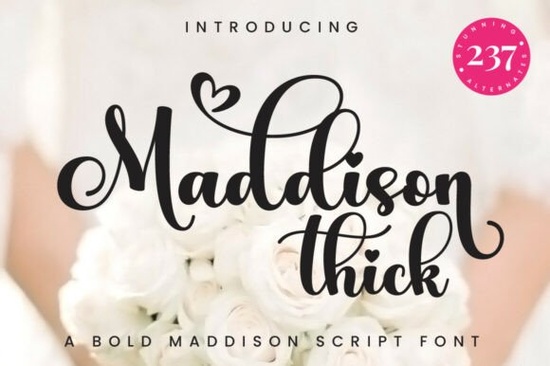
If you need a bold handwritten typeface that stays readable at small sizes, Maddison Thick Font delivers exactly that. It takes the original Maddison design and adds weight, smoother connections, and a fresh set of stylistic alternates. Designers, crafters, and small business owners often look for script fonts that feel personal without sacrificing clarity, and this version strikes that balance. Whether you are laying out wedding invitations, creating product labels, or adding a signature touch to photography, the thicker strokes keep your text crisp on both screen and print.
What makes this bold script different from regular handwritten typefaces?
Most script fonts lose their character when you scale them down or print them on textured paper. The added weight in this typeface solves that problem. You get a full set of uppercase and lowercase letters, numerals, punctuation, and multilingual symbols, all designed to work together without awkward gaps. The nine stylistic sets give you quick access to different letter variations, so you can adjust the mood of your layout without switching fonts. Ligatures are built in, which means common letter pairs connect smoothly instead of overlapping or floating apart. If you have tried thinner scripts that looked fragile on packaging, you will notice how the heavier strokes hold up better on matte finishes and kraft paper. You can also explore the complete font family to compare weights and plan a consistent brand kit.
Which projects work best with a thicker lettering style?
Heavier scripts shine when you need personality and legibility at the same time. Here are a few places where this style performs well:
- Wedding stationery and event suites: Names and dates stand out without competing with delicate floral illustrations.
- Product packaging and labels: The bold strokes remain clear on small jars, candle tins, and cosmetic boxes.
- Photography watermarks and quotes: Thicker letters are easier to read over busy backgrounds and varied lighting.
- Gift tags and handmade cards: The handwritten feel adds warmth while keeping the message sharp.
If you are building a brand identity, you can pair it with a clean sans serif for body text. For seasonal campaigns, you might also explore other script options like a playful party typeface or a sweet bakery-style lettering to match your theme. When you need something lighter for secondary details, a simple minimalist font keeps the layout balanced.
How do you access the alternate characters and swashes?
You do not need advanced software to use the extra glyphs. Because the font is PUA encoded, every alternate, swash, and stylistic set is fully accessible in standard design programs. In Illustrator or Photoshop, open the Glyphs panel to browse the nine stylistic sets. In Cricut Design Space or Silhouette Studio, you can use the built-in character map or a free font manager to copy and paste the special characters directly into your text box. This setup saves time when you are customizing logos or adjusting handwritten quotes. If you prefer working with thinner line art for certain craft projects, you might also test a single-line drawing font alongside your main script to create contrast.
What should you check before adding it to your design workflow?
Before you commit to any new typeface, run a quick compatibility check. Make sure your software supports OpenType features if you plan to use ligatures and stylistic alternates automatically. Test the font at the actual size you will print or display it, especially for packaging and watermarks. Check the licensing terms for commercial use, particularly if you are selling physical products or digital templates. Keep a backup of the original font files and note which stylistic sets you used for each client project, so revisions stay consistent. You can preview the full character set and licensing details for Maddison Thick Font before downloading.
How do you get the best results on your first try?
Start with a simple layout and let the lettering breathe. Increase the line height slightly so descenders and swashes do not collide with the line below. Use sentence case or title case instead of all caps, since script fonts are designed to flow naturally with lowercase connections. When pairing colors, stick to high contrast for readability, especially on textured or dark backgrounds. If you are cutting vinyl or heat transfer material, run a test cut on scrap material first to see how the thicker strokes weed and transfer.
Quick setup checklist before you design:
- Install the font and restart your design software to load all glyphs.
- Open the Glyphs or Character Map panel to locate the nine stylistic sets.
- Test a short phrase at your final print size to check spacing and legibility.
- Verify commercial licensing if you plan to sell finished products or templates.
- Save a style note with your chosen alternates so future edits match perfectly.
Take a few minutes to experiment with the swashes on a mockup, then lock in your favorite combinations before moving to final production.
Learn More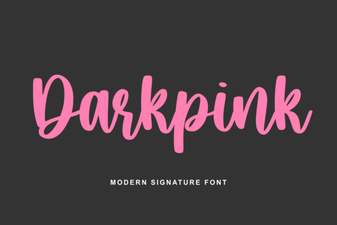 Dark Pink Font for Bold and Creative Designs
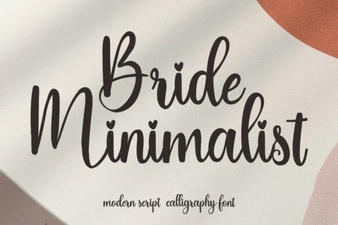 Minimalist Fonts for Wedding Stationery Design
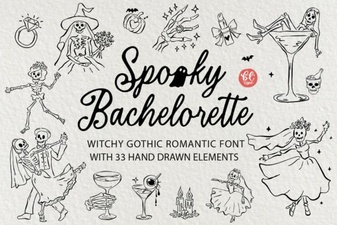 Spooky Bachelorette Party Invitation Font Ideas
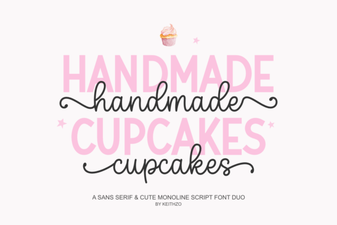 Fonts Inspired by Baking & Decorating Cupcakes
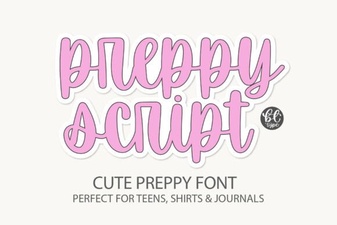 Preppyscript: Friendly Creative Font Styles
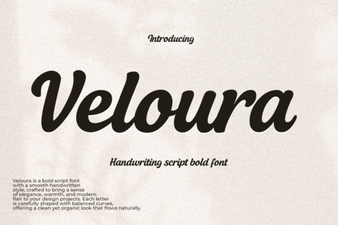 Veloura Font for Creative Projects