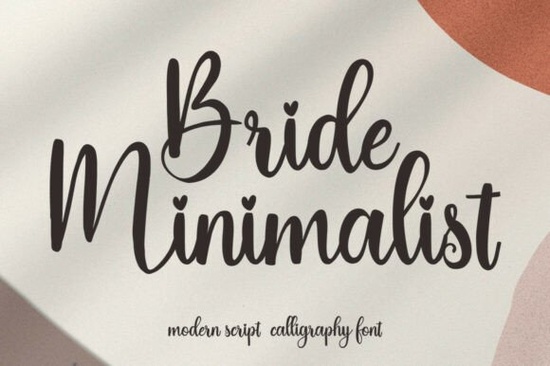
If you are looking for a clean, romantic script that stays readable across multiple mediums, the Bride Minimalist Font Font delivers exactly that balance. Unlike heavy calligraphy scripts that lose detail at smaller sizes, this typeface relies on steady, consistent strokes and subtle decorative touches to keep every letterform distinct. Designers and crafters appreciate it because the gentle flow reads well on both printed paper and digital screens, making it a reliable choice for everyday creative work without requiring constant manual adjustments.
What kind of projects work best with this script typeface?
Wedding stationery designers tend to reach for this style first because it captures a soft, modern romance without feeling overly traditional. The flowing lines pair naturally with delicate borders, wax seal illustrations, and watercolor backgrounds. Beyond invitations, small business owners use it for branding packages, product packaging labels, and social media templates. If you sell custom print-on-demand items like tote bags or mugs, the clean silhouette translates well to sublimation and direct-to-garment printing without losing definition after multiple production runs.
For creators exploring different script styles, you might also compare this approach with casual handwritten styles that lean into a more everyday, relaxed feel. Each script brings a distinct mood, so testing them against your actual mockups helps you choose the right tone for your specific audience.
How does the consistent stroke weight affect readability?
The main challenge with decorative typefaces is legibility. When the thicks and thins vary too much, smaller letters blur together on phones or printed business cards. This particular font maintains an even line weight throughout the alphabet, which keeps words sharp even when scaled down or placed in tight spacing. The subtle heart-shaped accents add character without crowding the baseline, so your viewers can read messages at a glance.
For social media graphics, readability always comes before decoration. I recommend keeping the text above 24 points on Instagram posts and leaving generous margins around the letters. When working on larger canvases like wedding arch signs or banner prints, you can safely increase tracking slightly to let the swashes breathe and prevent overlapping.
Which companion typefaces create the best contrast?
Script fonts rarely stand alone in professional layouts. To build visual hierarchy, pair this typeface with a structured sans-serif for body copy or a crisp modern serif for subheadings. The contrast between the handwritten rhythm and geometric stability makes designs look intentional and polished. If you are experimenting with typography sets, consider exploring rounded typography options that share a similar playful energy but offer slightly bolder letterforms for emphasis.
When building branding kits, consistency matters more than variety. Choose two supporting typefaces that share the same x-height and stick with them across your website, invoices, and email newsletters. Creators often find success by testing these pairings against real project files rather than relying solely on font previews. You can also reference Bride Minimalist typography examples to see how established designers handle spacing and alignment in commercial layouts.
What should small business owners know before using it commercially?
Licensing terms always come first. Always review the specific commercial rights attached to your download, especially if you plan to sell end products through third-party marketplaces or your own storefront. Most script typefaces allow standard commercial use for digital designs, but merchandising physical items sometimes requires a separate extended license. Keep a copy of your receipt with your project files, and only include font attribution when the creator explicitly requests it.
If you are preparing files for print-on-demand services, export your artwork at 300 DPI in PNG or PDF format before uploading. Vector files work best when scaling logos, while high-resolution raster files prevent jagged edges on curved surfaces. For creators building themed collections, checking out seasonal display typefaces or bold lettering choices can help you maintain a consistent brand voice across different marketing campaigns.
Remember to test your final mockups at actual size. What looks perfect on a calibrated monitor might feel cramped on a 4x6 invitation card. Adjust line height, check kerning manually on tricky letter pairs like Wa and ye, and verify that the decorative dots align properly across your chosen design software.
When organizing your typography library, consider bookmarking elegant design alternatives for quick access during tight client deadlines. Having a curated folder of reliable typefaces saves hours of searching and keeps your workflow steady throughout the week.
- Check license scope first: Confirm whether your download covers digital, print, or merchandise use before starting any commercial project.
- Set up a mini style guide: Document exact font sizes, line spacing, and color codes so your branding stays consistent across all platforms.
- Test at real print size: Export a physical proof or view your design at 100% zoom to catch readability issues before going live.
- Pair with two stable complements: Choose one clean sans-serif and one structured serif to handle paragraphs, pricing tables, and technical details.
- Backup source files: Store editable project files, exported graphics, and license documentation in a dedicated cloud folder.
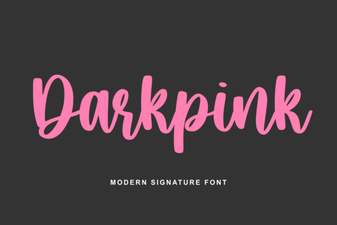 Dark Pink Font for Bold and Creative Designs
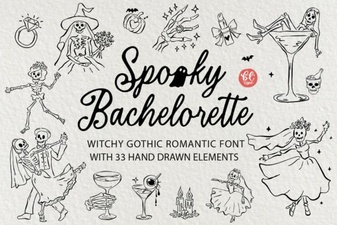 Spooky Bachelorette Party Invitation Font Ideas
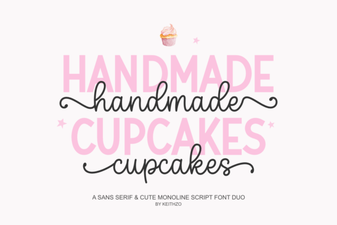 Fonts Inspired by Baking & Decorating Cupcakes
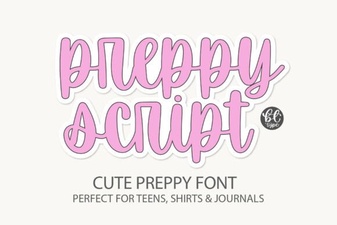 Preppyscript: Friendly Creative Font Styles
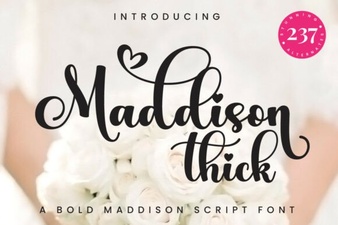 Creative Projects Using the Maddison Thick Font
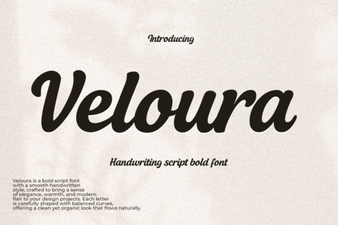 Veloura Font for Creative Projects