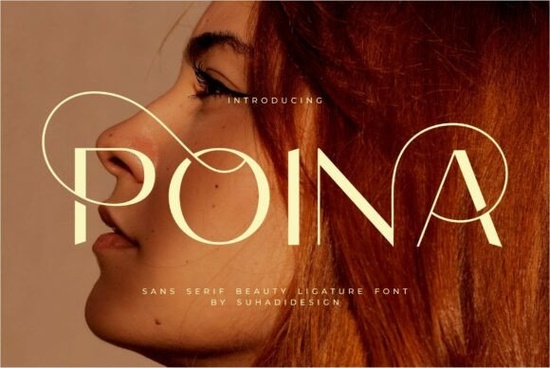
When you are building a visual identity for a beauty brand or laying out a magazine spread, choosing the right typeface shapes the entire layout. The Poina Font brings together modern elegance and classic structure, giving you a reliable tool for projects that need to feel polished without looking stiff. It works well across print, digital screens, and packaging, making it a practical addition to any design library.
Designers and small shop owners often look for serif options that balance readability with a refined look. If you enjoy exploring how traditional letterforms adapt to current trends, review the vintage-inspired serif collection for comparison. Each family has its own rhythm, and understanding how strokes behave on different materials helps you pick the best fit. The editorial-style alternatives share a focus on clean lines, but this typeface leans into contemporary spacing and open counters, keeping paragraphs easy to read on screens and paper.
Where does this typeface perform best in real projects?
You will notice it shines when elegance and clarity must coexist. Cosmetic labels, book interiors, and boutique tags all benefit from balanced proportions. The x-height sits at a comfortable middle ground, which means smaller text stays readable without shrinking too fast on mobile displays. For print-on-demand sellers, try pairing the regular weight for body copy with the bold cut for headlines. The contrast guides the eye without competing with product images. Ligature connections add a custom touch to logos and social banners without requiring manual vector tweaks. For the complete type family files, the official product preview contains all the installation notes and format options.
How do I set it up for consistent branding?
Define a strict typographic hierarchy before opening your software. Assign the heaviest weight to primary headlines, use medium weights for subheads, and keep regular cuts for paragraphs. Skipping this step often leads to visual clutter. Install the full family, test it against your brand colors, and check how it renders at 16px for web and 10pt for print. Ligature features work smoothly in most design programs, so toggle them based on your layout tone. If you want to see how other modern serifs handle similar spacing, comparing it to the Charmed Witches Font will highlight differences in stroke contrast and serif shapes.
What should I watch out for when pairing it with other styles?
Avoid stacking multiple decorative serifs in one layout. Instead, match this typeface with a plain sans-serif for secondary details like addresses or footnotes. Keep baselines aligned and leave generous whitespace around display text. If you need a heavier option for large posters, checking the alternative weight variations can help you maintain a matching rhythm. Always print a quick proof before finalizing runs, because paper stock changes how thin terminals appear under store lighting. The Clostha Font shares a similar editorial foundation, but using one primary serif per project keeps your designs focused.
How do I prepare files for client handoff?
Package your files by outlining text only when the client needs pure vector compatibility. Otherwise, keep the original font links active so edits stay flexible. Build a simple reference sheet that notes exact sizes, tracking, and line heights. This cuts revision time and keeps freelance workflows organized. Share a preview showing how ligatures behave at smaller scales, so your client knows what to expect on business cards or social icons. When working with crafters or hobbyist teams, leave a clear folder structure so assets are easy to locate months later.
Follow this quick checklist before exporting your final files:
- Check spacing: Adjust letter and line height until the text block feels balanced and breathable.
- Test at multiple sizes: Zoom to 50%, 100%, and 300% to ensure thin strokes do not break.
- Verify contrast: Use dark gray instead of pure black on light backgrounds to reduce eye strain.
- Export correctly: Save a flattened PDF for printers and an editable source file for future updates.
- Document settings: Write down the exact weight and size used so you can replicate the layout later.
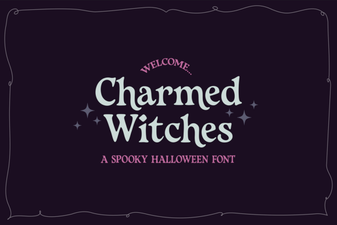 Charmed Witches Font for Your Creative Projects
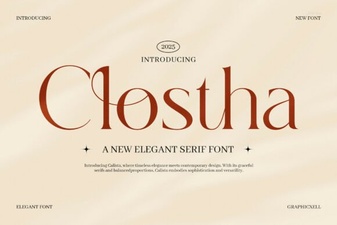 Design with Clostha: Fonts for Modern Projects
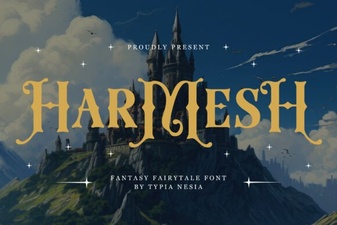 Harmesh Font: Download & Creative Use Guide
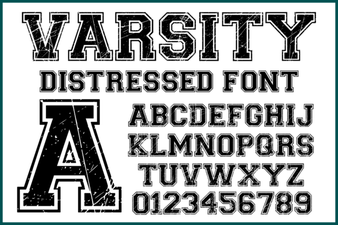 Varsity Distressed Font: Style and Design Ideas
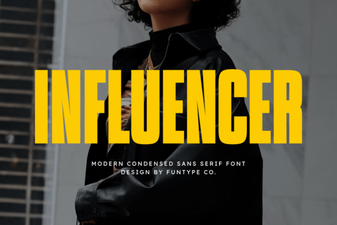 Crafting Font Styles for Social Media Influencers
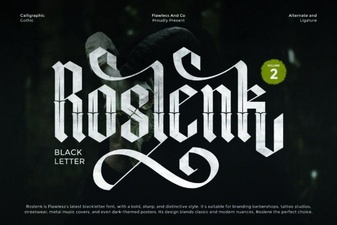 Roslenk Volume 2: Project Design Ideas & Font Usability