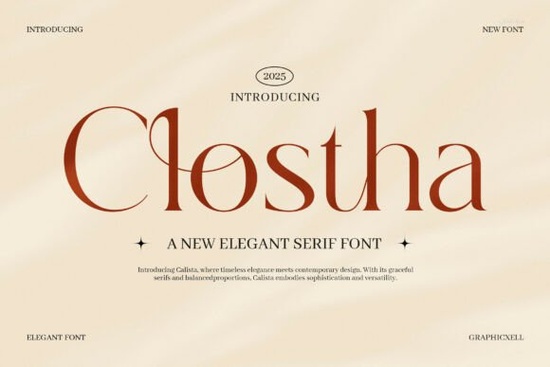
If you are looking for a typeface that balances classic elegance with contemporary sharpness, Clostha Font offers exactly that balance. This serif design was built for creators who want their layouts to feel premium without sacrificing readability. It works especially well when scaled up for headlines, packaging, or brand identities where every detail matters. Designers often reach for it because the high contrast strokes and clean terminals give a polished look on both light and dark backgrounds.
When you work with a typeface that relies on strong contrast, the secret to a professional result lies in how you apply it. This style performs best at larger point sizes, where the sharp lines and elegant curves can actually be seen. At smaller scales, fine details might blur together, especially on rough print stock or low-resolution screens. Keeping that in mind helps you choose the right hierarchy for your projects.
What makes this serif typeface suitable for modern branding?
Modern branding needs type that feels trustworthy yet fresh. Strong contrast in the letterforms creates visual weight, which naturally draws attention to your main message. Print-on-demand sellers often use this style for product packaging and boutique labels. Small business owners also apply it to wedding invitations, where a refined tone sets the mood early. If you are building a visual system, pairing matters. Browsing through similar elegant serif collections can spark layout ideas for your next campaign while you map out complementary styles.
Which projects benefit most from high-contrast lettering?
Not every design needs the same visual intensity. You will get the most value when applying this style to specific tasks:
- Logo design: The sharp serifs create memorable marks that scale cleanly for business cards and storefront signs.
- Magazine headers: Large point sizes highlight elegant curves and make titles feel authoritative.
- Packaging: Premium goods like specialty foods or handmade crafts use this aesthetic to signal quality.
- Event stationery: Invitations gain a sophisticated finish without needing extra decorative elements.
When applying to physical products, test print a proof first. Paper texture and ink spread can soften sharp edges, so a quick press check ensures accuracy.
How should you pair it for everyday design work?
Because this serif carries a distinct visual personality, it pairs best with neutral typefaces for paragraphs. Avoid combining it with heavily decorated scripts, as that competition clutters the layout. If your project requires a softer aesthetic, exploring niche vintage type options might suit creative posters better. For editorial work, set headers with the bold weight, then switch to a geometric face for body copy. Keeping line heights between 1.4 and 1.6 maintains comfortable reading rhythm.
What technical details should you verify before use?
This package supports multiple languages, simplifying work for international brands. The included ligatures and special characters let you handle unique spelling rules. Always check your software’s OpenType panel to access alternate glyphs. File format depends on your workflow. Install desktop files for vector programs, and use WOFF for faster website loading. Crafters using die-cut machines get the cleanest results by tracing letters into paths. When exploring structured editorial options, reviewing classic serif alternatives gives you reliable fallbacks. To see the complete weight options, the official product page breaks down each style clearly.
You can view the full character set and licensing terms on the official Clostha Font page to ensure it matches your project requirements. Always read the license before commercial use to prevent issues when selling final designs.
How do you get the best results on your next layout?
Start with a simple grid. Place your main title in the larger size, leave ample white space around it, and test on actual screens before finalizing.
- Test sizes between 18pt and 72pt to find the readability sweet spot.
- Pair with a neutral sans-serif to keep pages from feeling busy.
- Enable ligatures in your software before exporting final files.
- Print a quick proof on your target paper to check ink behavior.
- Keep padding around headlines so high-contrast strokes have room to breathe.
Quick tip: Before sending branded material to a printer or print-on-demand platform, flatten layers and convert text to outlines. Review the file at 100% zoom to catch alignment shifts, ensuring your clients receive a clean, professional product every time.
Get Started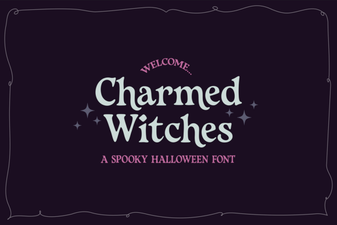 Charmed Witches Font for Your Creative Projects
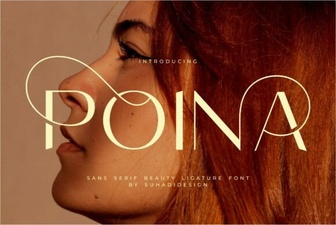 Poina Font: Modern Design for Creative Projects
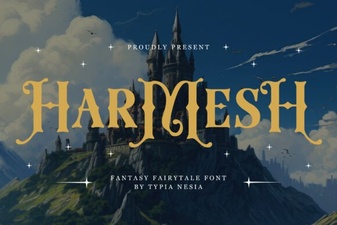 Harmesh Font: Download & Creative Use Guide
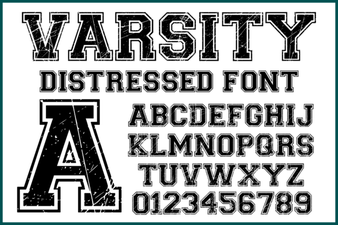 Varsity Distressed Font: Style and Design Ideas
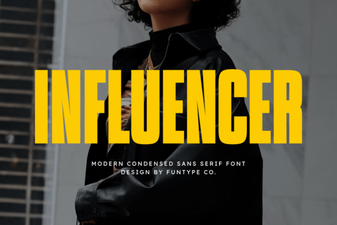 Crafting Font Styles for Social Media Influencers
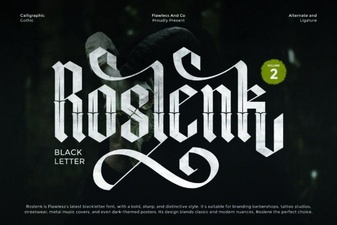 Roslenk Volume 2: Project Design Ideas & Font Usability