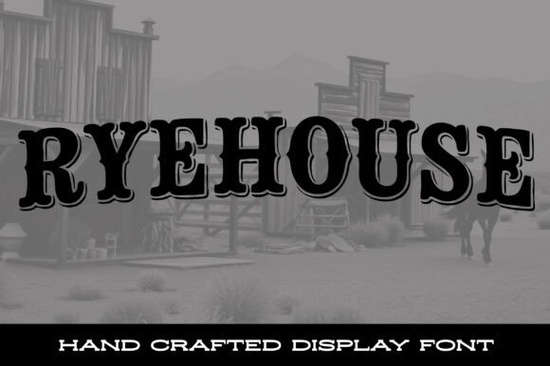
How does this typeface handle vintage poster layouts?
Western typography requires space to breathe. The thick strokes and uneven edges in this font naturally draw the eye when used in all caps, making it ideal for large-format printing. When you place it over textured backgrounds like kraft paper or faded canvas, the built-in imperfections blend seamlessly with the substrate. Many crafters use it for tee shirt graphics, coffee mug designs, and bar signage because it scales well without losing its stamped appearance. If you need a structured alternative for subheadings, pairing it with a Scholar block style keeps your layout balanced and readable.
What makes it work for rustic branding and packaging?
Authentic branding relies on consistency and mood. This typeface leans into heritage aesthetics that feel earned rather than manufactured. When applied to bottle labels, leather goods, or artisanal soap wraps, the rough edges suggest careful craftsmanship. You can use it alongside clean sans-serif body copy to create a clear visual hierarchy. If your project requires softer vintage accents, a classic serif alternative rounds out the design system while the display letter handles the main logo mark.
Which creative projects pair well with weathered typography?
The charm of hand-drawn Western lettering shines brightest in specific contexts. Event posters for rodeos, country fairs, and live music shows benefit from its immediate impact. Brewery and distillery labels use it to highlight heritage, while outdoor gear branding leans into the frontier theme. When pairing this with secondary type, avoid overly decorative scripts that compete for attention. Instead, choose clean options like the Pickled Limes line style to handle menus and pricing tables. The contrast keeps the layout professional while letting the main headline carry the mood.
What technical details should you check before downloading?
Display typefaces often come with unique file structures, so understanding how this package integrates into your workflow matters. Most designers work in vector software for layout adjustments, but raster-based mockups can blur rough edges if exported at low DPI. Always keep a high-resolution master file and test a quick print proof on your actual stock paper before running a large batch. For historical context on how this style evolved in American print shops, you can review reference materials about Ryehouse lettering. If your shop leans into retro aesthetics, exploring Fresco vintage options helps build cohesive seasonal campaigns.
How do you avoid common design mistakes with bold Western lettering?
Overusing heavy, textured type can make a layout feel cluttered or hard to scan. The key is restraint. Use this font strictly for headlines, logo marks, or short callouts. Keep your color palette muted, since ochre, saddle brown, charcoal, and faded cream work better than high-saturation accents. Remember that rough edges already provide visual noise. Adding drop shadows or extra grunge overlays usually dulls the impact. Some small business owners also mix this with sharper, modern choices like Racken to bridge heritage styles with clean e-commerce storefronts.
Before you finalize your next Western-themed project, run through this quick checklist:
- Check contrast: Place your headline over your actual background to verify readability before committing to print.
- Test scaling: Reduce the text to fifty percent and zoom back to confirm the stamped edges remain crisp.
- Limit word count: Keep display usage to five words or fewer for maximum visual weight.
- Proof on stock: Print a single sample on your final paper or fabric to catch texture mismatches early.
- Pair wisely: Use one clean secondary font for body copy to maintain professional spacing.
Step away from the screen, review the layout with fresh eyes, and adjust your letter spacing slightly before sending files to production. Small tweaks in tracking often turn a crowded composition into a confident, polished design that prints exactly as you envisioned.
Get Started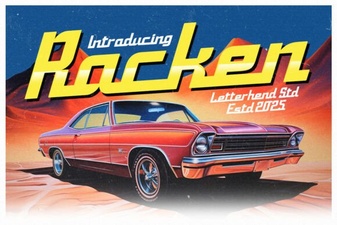 Discover the Racken Font: Design & Project Ideas
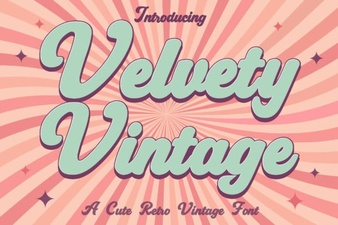 Craft Your Vintage Designs with Velvety Font
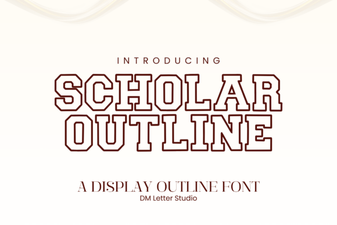 Scholar Font Design: Creative Outline Blocks
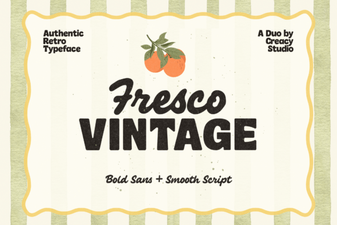 Fresco Vintage Duo Font for Creative Design Projects
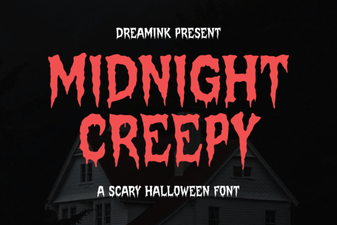 Midnight Creepy Fonts for Designers and Storytellers
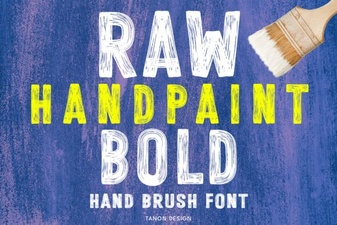 Hand Paint Bold Fonts: Design and Diy Projects