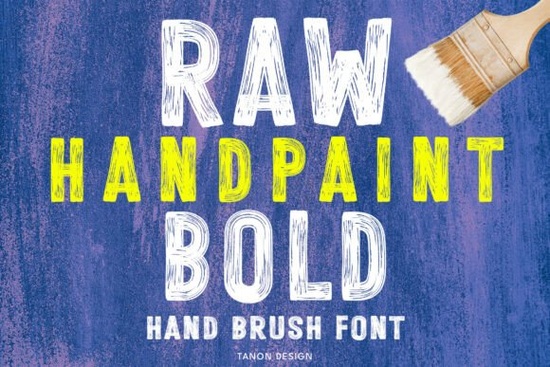
If you need a typeface that feels handmade but still reads clearly at a distance, Raw Hand Paint Bold Font delivers exactly that. This condensed brush style brings a raw, energetic texture to your work without sacrificing legibility. Whether you are laying out a quick t-shirt graphic, designing a coffee mug wrap, or putting together a digital printable, the thick strokes and tight spacing keep your message front and center.
What makes this brush font stand out for print-on-demand?
Print-on-demand products thrive on instant visual impact. A bold condensed handwritten brush font like this one fills space efficiently, which means you can use larger point sizes without pushing text off the canvas. The uneven edges mimic real paint strokes, giving your designs a tactile quality that flat typefaces often lack. When you work with apparel or home goods mockups, that slight imperfection reads as authentic rather than messy.
The condensed structure also solves a common layout problem. Long phrases or brand names that usually require awkward line breaks fit neatly on a single line. This keeps your composition balanced and reduces the time you spend adjusting kerning or resizing elements. If you frequently rotate between seasonal collections, having a reliable display font that adapts to different word lengths saves hours of revision work.
Which projects work best with a condensed handwritten style?
Not every design needs a delicate script or a minimalist sans-serif. This particular brush font shines in contexts where you want to communicate energy, craftsmanship, or a casual vibe. Here are a few practical applications:
- Apparel graphics: Short slogans, band-style logos, and vintage-inspired chest prints read clearly even after washing and wear.
- Mug and tumbler wraps: The thick strokes hold up well on curved surfaces and remain legible when scaled down for product photos.
- Greeting cards and stationery: Use it for cover headlines while keeping the inside message in a clean, readable body font.
- Digital planners and stickers: The bold weight creates clear visual hierarchy for tabs, headers, and category labels.
- Small business packaging: Thank-you cards, tissue paper stamps, and product labels gain a personal touch without looking unprofessional.
When you pair this style with simpler supporting typefaces, the contrast does the heavy lifting for you. You do not need extra decorative elements to make the design feel complete.
How do I pair it with other typefaces?
Font pairing is mostly about balancing weight and mood. Since this brush font carries a lot of visual weight, you will get the best results by combining it with lighter, more structured families. A clean sans-serif works well for subheadings, while a narrow serif can add refinement to product descriptions. If you prefer a retro aesthetic, you might explore options like velvety vintage display styles to create a layered, nostalgic feel. For seasonal branding, mixing in kindly witch display lettering can soften the bold edges and add a friendly tone.
When you need sharp contrast for modern layouts, try combining the brush strokes with scholar block outline lettering to separate headlines from supporting text. If you like having a ready-made combination, browsing a fresco vintage duo collection can give you instant pairing ideas that match this hand-painted energy. You can also preview Raw Hand Paint Bold Font directly on the marketplace to test different size ratios before committing to a layout.
What should I check before downloading?
Even the best-looking typeface can cause friction if the technical details do not match your workflow. Before you add any brush font to your library, run through these quick checks:
- File formats: Confirm that OTF and TTF files are included. OTF usually offers better scaling for professional design software, while TTF remains compatible with older cutting machines and basic office programs.
- Commercial licensing: Read the license terms carefully. Some creators allow unlimited personal use but require a separate commercial license for products you sell, especially for print-on-demand platforms or digital downloads.
- Glyph coverage: Check for uppercase, lowercase, numbers, and basic punctuation. Condensed brush fonts sometimes skip alternate characters, so verify that the set covers the language and symbols you need.
- Software compatibility: Test the font in your primary tools. Programs like Illustrator, Photoshop, Procreate, and Cricut Design Space handle brush textures differently, and a quick test export can prevent surprise rendering issues.
Taking five minutes to verify these details keeps your production pipeline smooth and prevents last-minute redesigns when a client order is due.
How do I get the most out of the brush texture?
Brush fonts already include built-in texture, but you can enhance or tone down that effect depending on your output method. For screen-based designs, keep the background clean and avoid heavy drop shadows that compete with the rough edges. When printing on fabric or paper, choose matte finishes over glossy coatings. Gloss tends to flatten the painted look, while matte stock preserves the organic variation in the strokes.
If you are using a cutting machine for vinyl or heat transfer, simplify the design by sticking to single-color applications. Multi-layered brush text can become difficult to weed and align. Instead, let the font weight carry the visual interest and use negative space to separate elements. A simple test cut on scrap material will show you how the fine paint splatters translate to your specific blade settings.
Quick next steps before you start designing:
- Install the font files and restart your design software to ensure proper loading.
- Type out your longest and shortest phrases to check spacing and line breaks.
- Export a small test file in your final format to verify texture retention.
- Review the commercial license to confirm it covers your intended sales channel.
- Save a preset style in your software so you can reuse the exact size, tracking, and color for future projects.
With those steps handled, you can focus on layout and color without worrying about type consistency. The right brush font does not just fill space, it gives your work a recognizable voice that customers remember.
Download Now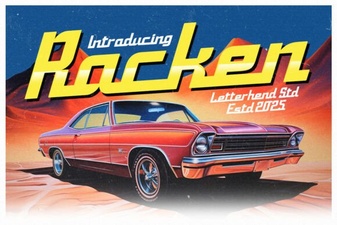 Discover the Racken Font: Design & Project Ideas
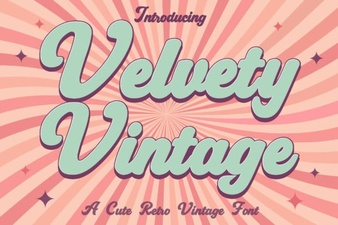 Craft Your Vintage Designs with Velvety Font
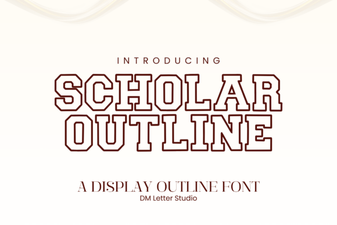 Scholar Font Design: Creative Outline Blocks
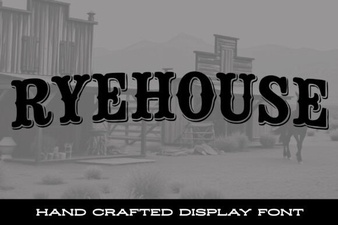 A Modern Font for Creative Web Design
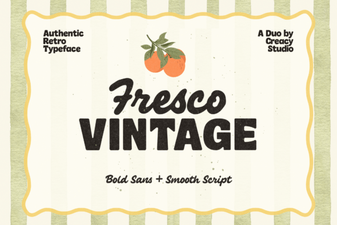 Fresco Vintage Duo Font for Creative Design Projects
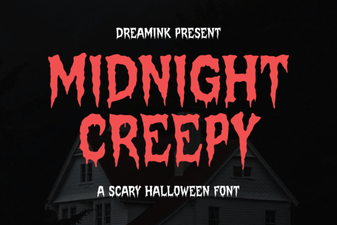 Midnight Creepy Fonts for Designers and Storytellers